
INC Vision
A thriving church in every major Australian town.
Be part of planting and pastoring across the nation.
Australia for Christ
We believe Australia can be covered with vibrant, life-giving churches that reach every generation and every community — from our capital cities to our largest towns, from regional centres to the most rural places. Churches of strength, scale, and spiritual impact, united by one mission: Australia for Christ.
We’re raising a new generation of church planters and leaders, carrying a fresh sound of worship, a bold spirit of faith, and a deep awareness of God’s presence. This is the vision — and you’re invited to be part of it.
Planting opportunities
Be part of planting thriving churches in these locations.
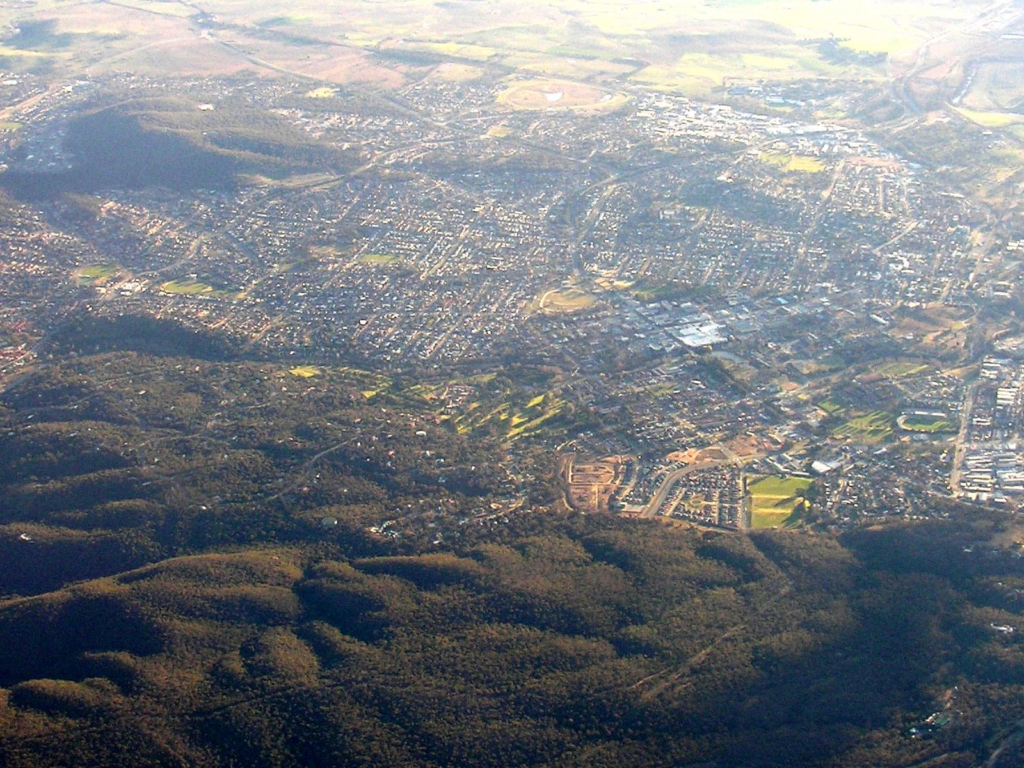
Queanbeyan NSW
Canberra region, NSW/ACT border
37,511 people (2021 Census)
A fast-growing city on the New South Wales side of the Canberra–Queanbeyan urban area — fifteen minutes from Parliament House, yet a community with its own distinct identity. Its economy runs on light manufacturing, construction, retail and services, and the wider Queanbeyan–Palerang area is forecast to grow from around 66,000 today toward 85,000 by 2041, much of it in new estates like Googong. Most of that growth is families priced out of Canberra looking for space and affordability, giving the city a young, mobile, commuter character. Faith landscape (2021 Census): 38.7% no religion; Western (Roman) Catholic is the largest group at 23.9%, with Christianity overall around 52%.
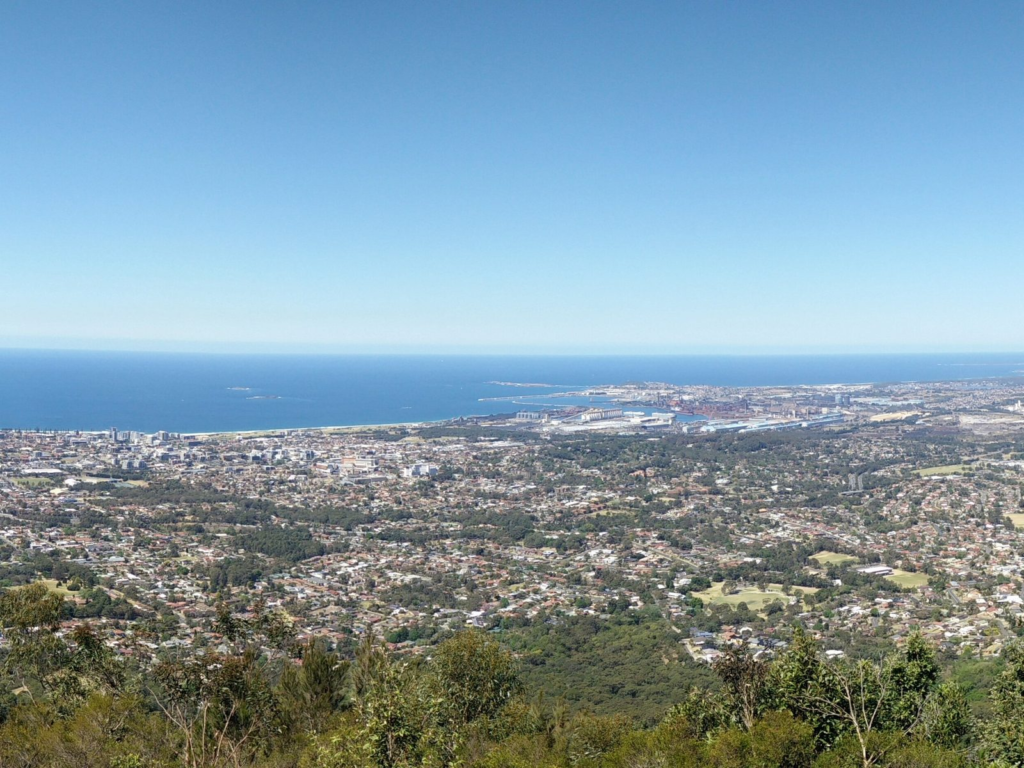
Wollongong NSW
Illawarra coast, NSW
302,739 people (2021 Census (urban area))
A major coastal city on the narrow Illawarra plain between the surf beaches and the rainforested escarpment, an hour south of Sydney. Long defined by steel and coal, “the Gong” now carries the third-largest economy in NSW — anchored by the University of Wollongong (a top-200 university), a fast-growing health precinct, the deep-water Port Kembla, and an emerging clean-energy and advanced-manufacturing base. It is a young university city of beaches, diverse communities and steady reinvention — sizeable, strategic and within easy reach of Sydney. Faith landscape (2021 Census): 38.6% no religion; Catholic 22.6% and Anglican 12.7% the largest groups.
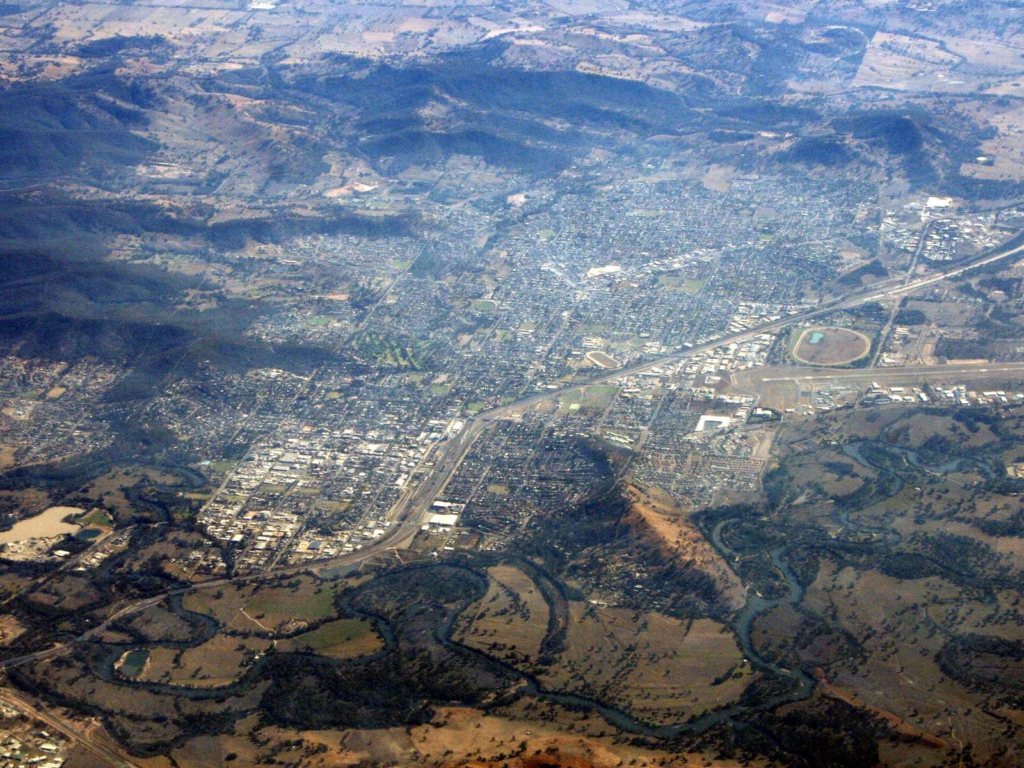
Albury–Wodonga NSW
Murray River, NSW/VIC border
97,793 people (2021 Census)
Australia’s largest inland twin-city community, straddling the Murray River with Albury in NSW and Wodonga in Victoria — together the nation’s 20th-largest city at around 100,000 people. Midway between Sydney and Melbourne, it is a regional powerhouse built on health, construction, manufacturing, defence (a major Army logistics and training base) and education, with a combined economy near $10 billion. It is now growing faster than both regional NSW and regional Victoria, drawing a striking surge of families and professionals leaving the capitals for its affordability and lifestyle. Faith landscape (2021 Census, Albury): 39.5% no religion; Catholic 22.0% and Anglican 12.6% the largest groups.
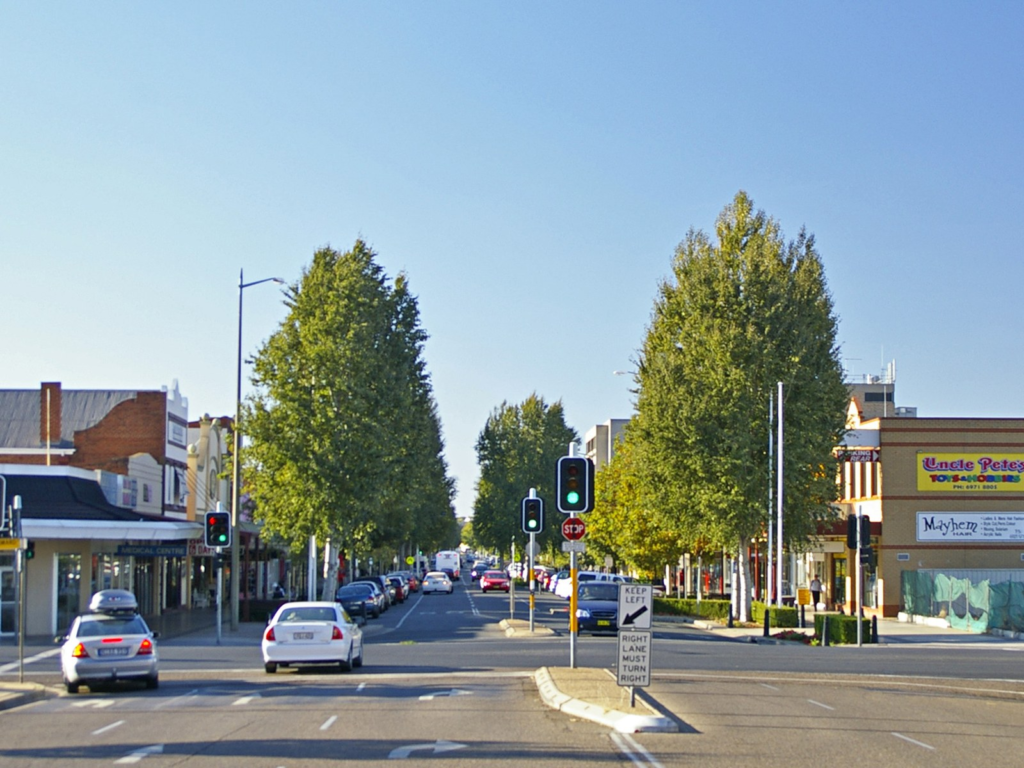
Wagga Wagga NSW
Riverina, NSW
49,686 people (2021 Census (urban centre))
The largest inland city in New South Wales and the commercial heart of the Riverina, straddling the Murrumbidgee River midway between Sydney and Melbourne. “Wagga” blends a strong agricultural base with major defence establishments — the Kapooka Army recruit-training centre and RAAF Base Wagga — and Charles Sturt University’s largest campus, giving it a steady stream of young soldiers, students and families. A designated NSW “growth centre”, it acts as a regional magnet whose population is projected to climb from around 70,000 past 100,000 by 2038. Faith landscape (2021 Census): 31.6% no religion; Catholic 26.8% and Anglican 15.3% the largest groups — among the more churched regional cities.
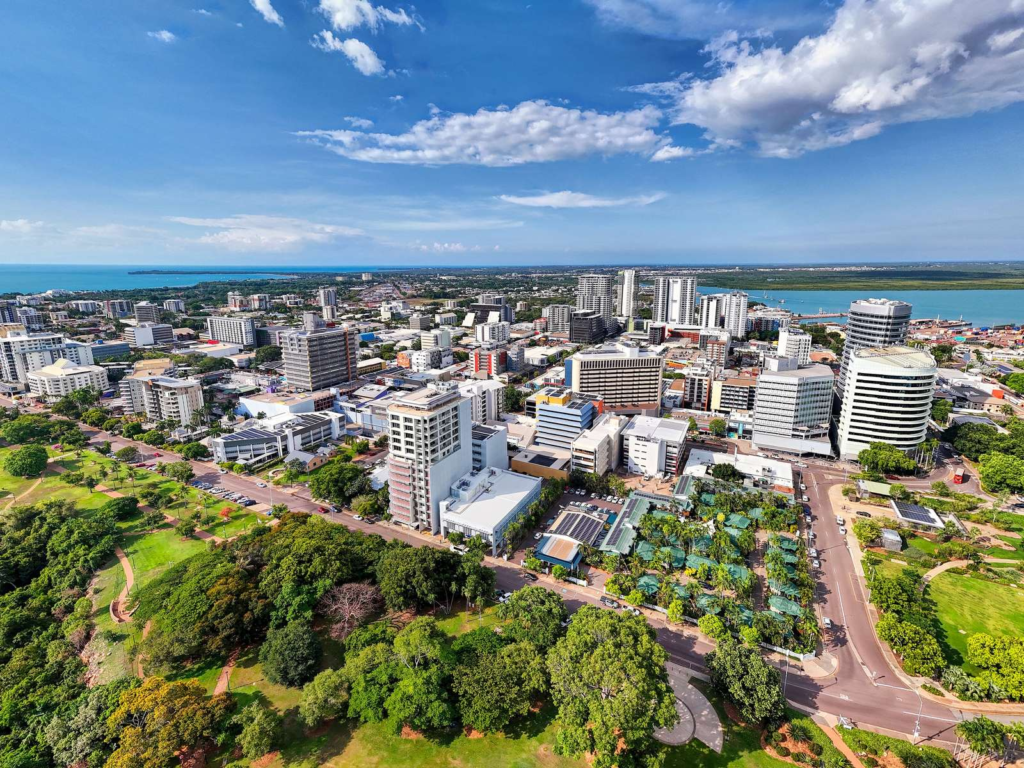
Darwin NT
Top End, Northern Territory
139,902 people (2021 Census (Greater Darwin))
The tropical capital of the Northern Territory and Australia’s true gateway to South-East Asia — closer to Dili, Bali and Singapore than to Canberra. Greater Darwin is young, transient and among the most multicultural communities in the country, home to people from well over 100 nations. Its economy turns on LNG and resources, a large defence presence (including a rotational US Marine force), the port, tourism and Charles Darwin University — a frontier city where people arrive from everywhere and community is constantly being rebuilt. Faith landscape (2021 Census, Greater Darwin): 33.1% no religion; Catholic the largest Christian group, Anglican 8.7%.
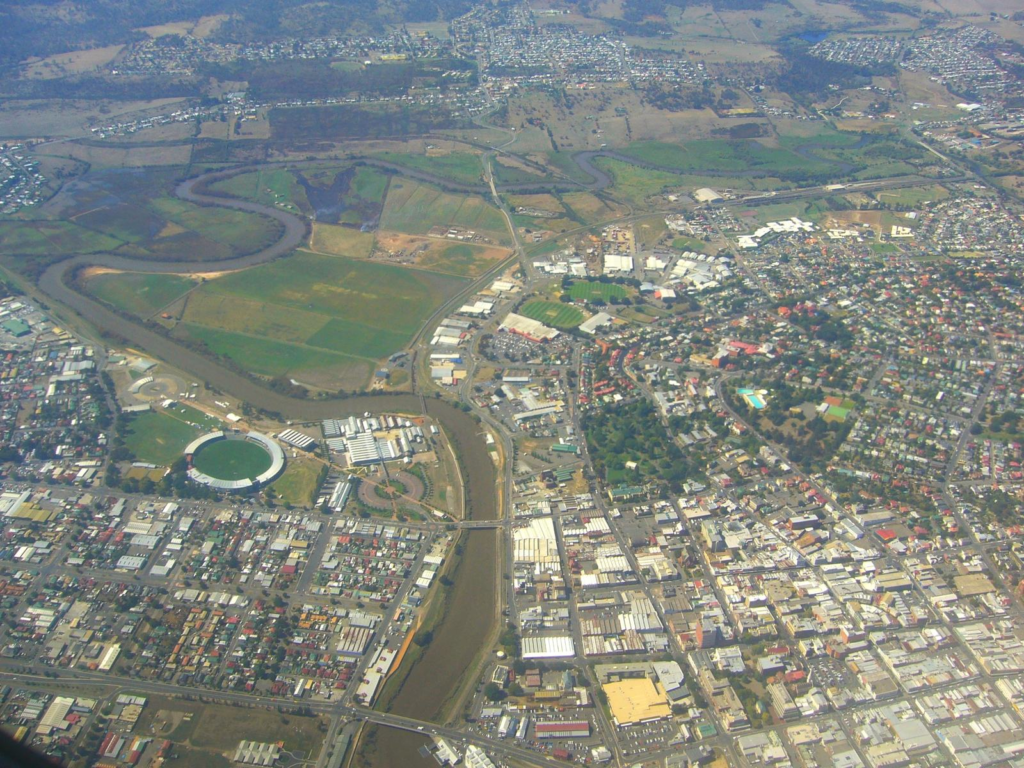
Launceston TAS
Tamar Valley, northern Tasmania
80,943 people (2021 Census (urban centre))
Northern Tasmania’s riverside city at the head of the Tamar, one of Australia’s oldest cities and the hub for the state’s north. Set among heritage streetscapes and the dramatic Cataract Gorge, it is the centre of the Tamar Valley wine-and-food country and home to the University of Tasmania’s growing Inveresk campus. Health, education, agriculture and a thriving produce-and-festival culture sustain a city of around 90,000 that is affordable, walkable and increasingly drawing tree-changers north. Faith landscape (2021 Census): 49.1% no religion; Anglican the largest group at 13.8%, Catholic 11.5%.
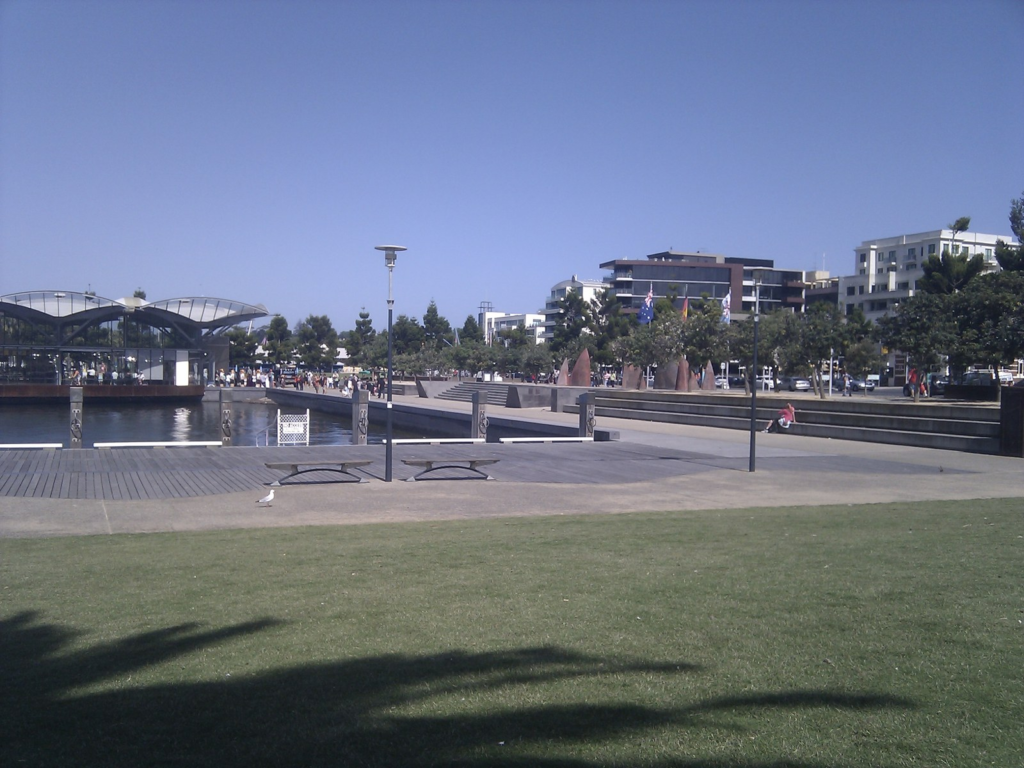
Geelong VIC
Corio Bay, Victoria
271,057 people (2021 Census (Greater Geelong))
Victoria’s largest regional city and one of the fastest-growing places in Australia, on Corio Bay just an hour from Melbourne and at the doorstep of the Surf Coast, Bellarine and Great Ocean Road. Having reinvented itself from a car-and-textiles town into a diverse economy — advanced manufacturing, a major hospital and health precinct, Deakin University, defence and government services — Greater Geelong has passed 280,000 and is forecast to add another 100,000 within fifteen years. Most newcomers are young families moving down from Melbourne for affordability and lifestyle. Faith landscape (2021 Census): 44.2% no religion; Catholic 22.2% and Anglican 8.0% the largest groups.
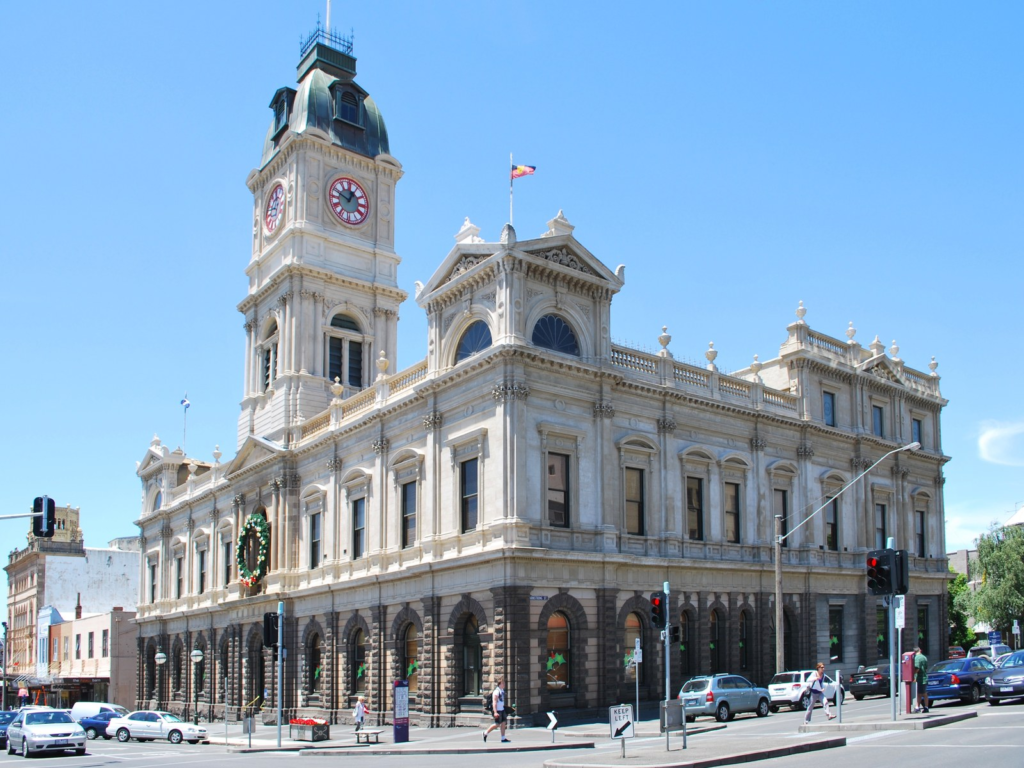
Ballarat VIC
Central Highlands, Victoria
111,092 people (2021 Census (urban area))
A grand goldfields city in Victoria’s Central Highlands, about ninety minutes from Melbourne and rich in heritage architecture, with Sovereign Hill and the Eureka story at its heart. Now one of regional Victoria’s largest and fastest-growing cities — together with Geelong and Bendigo it accounts for roughly half of all regional-Victorian growth — Ballarat is increasingly a commuter and satellite city, anchored by Federation University and strong health and government-service sectors, with a steady inflow of Melbourne families. A substantial, growing field of around 115,000. Faith landscape (2021 Census): 47.8% no religion; Catholic 21.3% and Anglican 7.9% the largest groups.
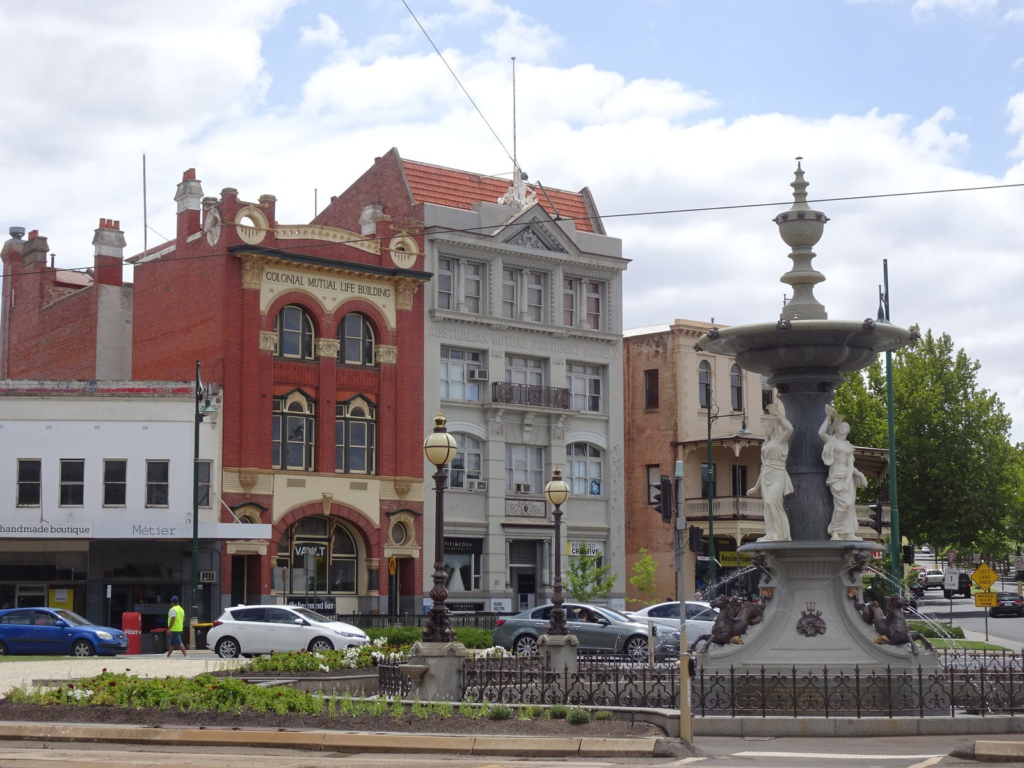
Bendigo VIC
Loddon Mallee, Victoria
103,034 people (2021 Census)
A major regional city built on gold, the commercial capital of the Loddon Mallee about two hours north of Melbourne. Bendigo pairs grand Victorian streetscapes and a celebrated arts and gallery scene with a diverse modern economy — it is the home of Bendigo Bank, a La Trobe University campus, and major health and education employers. One of regional Victoria’s fastest-growing cities, now past 100,000, it draws families seeking affordability and character. Faith landscape (2021 Census, Greater Bendigo): 47.0% no religion; Catholic 18.9% and Anglican 9.7% the largest groups.
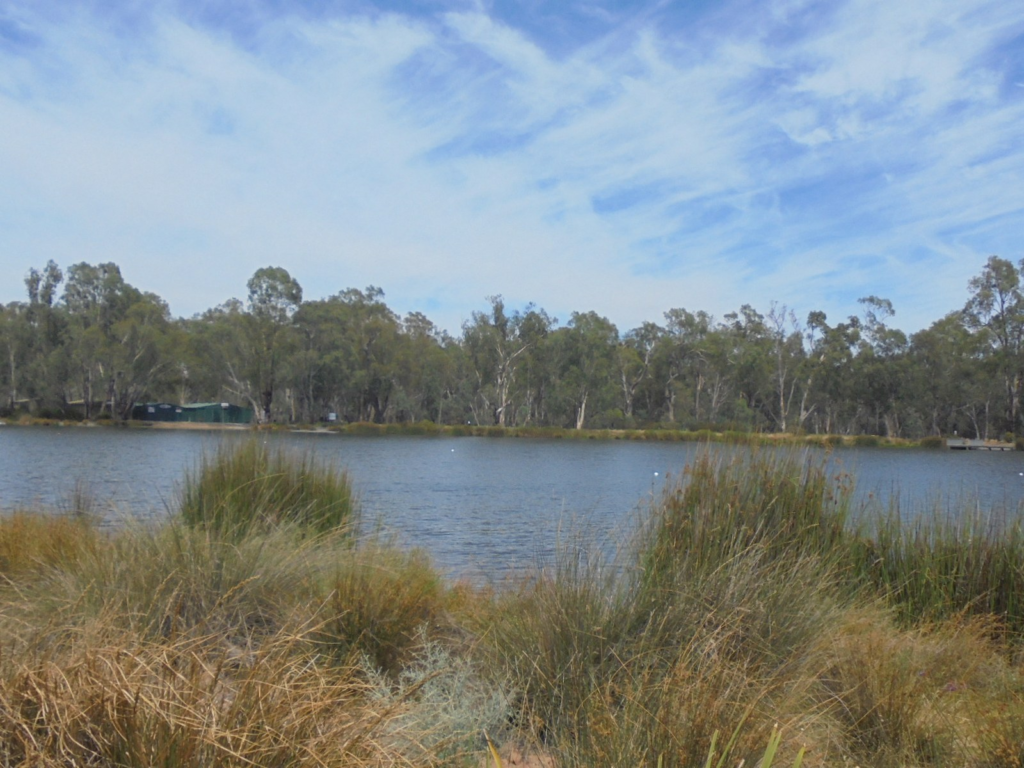
Shepparton VIC
Goulburn Valley, Victoria
51,631 people (2021 Census (Shepparton–Mooroopna))
The heart of the Goulburn Valley “food bowl” and one of regional Victoria’s most multicultural cities, where successive waves of migrants and refugees have settled to work the orchards, dairies and food-processing plants. Greater Shepparton is a working agricultural hub of around 65,000 with dozens of language and faith communities living side by side, served by GV Health and a growing education sector. Its diversity and constant arrival of new families make it an unusually open, mission-rich community. Faith landscape (2021 Census): 34.7% no religion; Catholic 22.2% and Anglican 8.6% the largest Christian groups, with a sizeable Muslim community (6.4%).
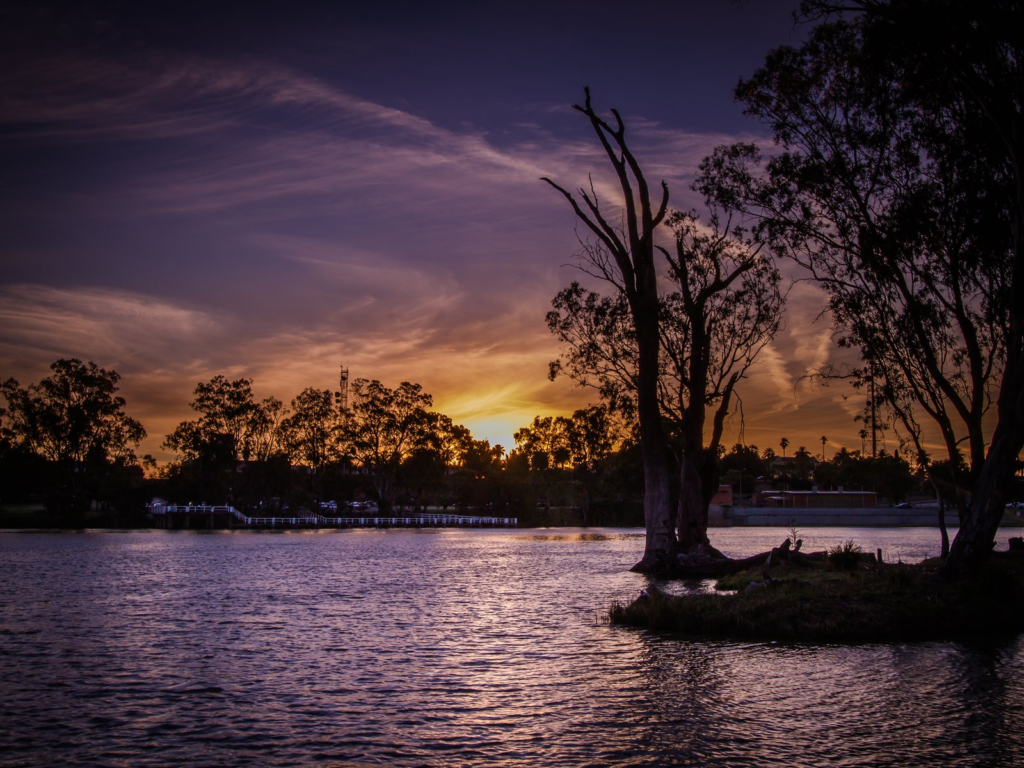
Mildura VIC
Sunraysia, Murray River, Victoria
54,114 people (2021 Census (urban centre))
A sunny river city in the Sunraysia region, the centre of Victoria’s far north-west and actually closer to Adelaide than to Melbourne. Built on Murray River irrigation, it is one of the nation’s great horticultural districts — citrus, table and wine grapes, almonds and dried fruit — with a warm Mediterranean climate, a lively food-and-river-tourism scene and a notably multicultural population drawn by seasonal and farm work. A regional hub of more than 50,000 serving a vast surrounding district. Faith landscape (2021 Census): 41.4% no religion; Catholic 19.1% and Anglican 8.3% the largest groups.
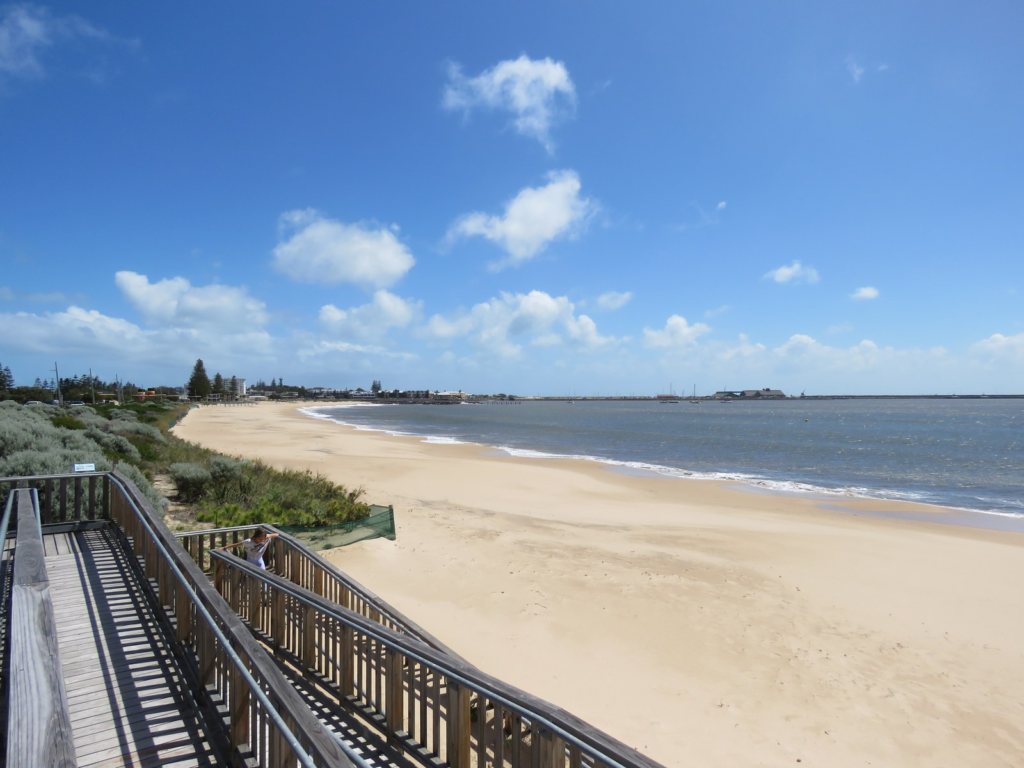
Bunbury WA
South West, Western Australia
75,196 people (2021 Census (urban centre))
Western Australia’s largest city outside the Perth–Mandurah belt — the State’s “Second City” and the hub of the booming South West, about two hours south of Perth on the Leschenault Estuary. A working port city built on mining and mineral processing (alumina, lithium, mineral sands), agriculture and a fast-diversifying mix of health, education (Edith Cowan University), tourism and advanced manufacturing, Greater Bunbury is one of WA’s fastest-growing regions and is tipped to pass 100,000 by 2031. A coastal, family-oriented gateway to the South West. Faith landscape (2021 Census): 33.0% no religion; Catholic 21.4% and Anglican 17.6% the largest groups — among the more churched.
Church pastor positions
We’re looking for pastors to lead established INC churches in these communities.
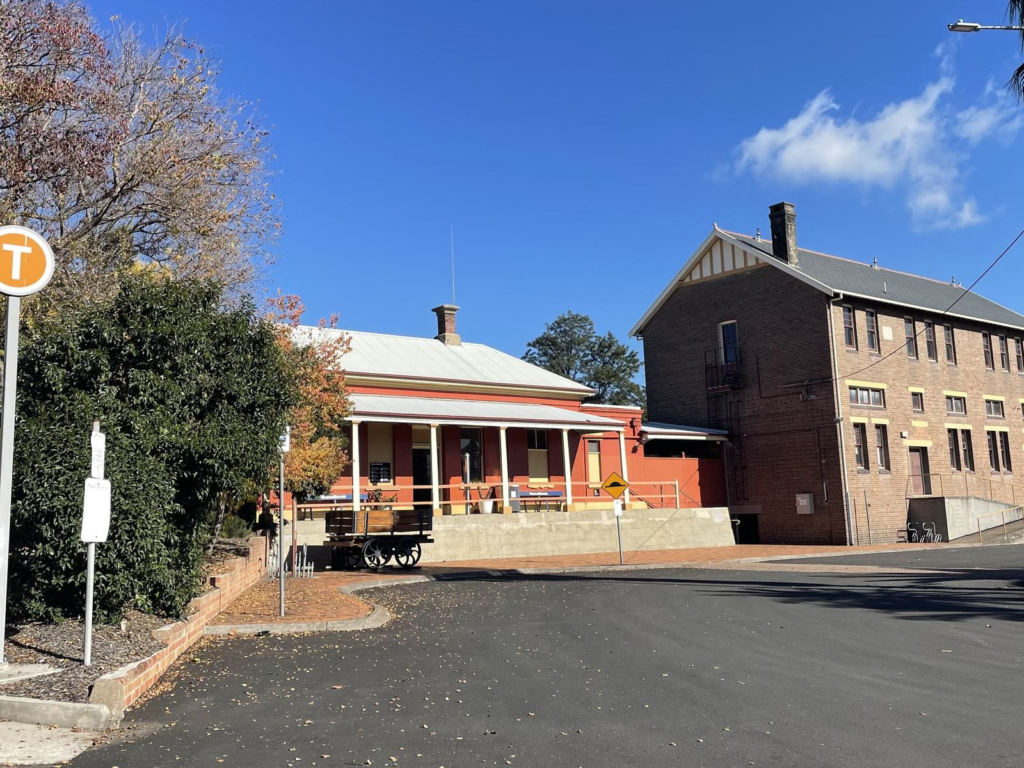
Muswellbrook NSW
Upper Hunter, NSW
12,364 people (2021 Census (urban centre))
An established INC church in the Upper Hunter Valley town of Muswellbrook, seeking a pastor to lead. Long a coal, power and thoroughbred-and-agriculture town, Muswellbrook now stands at the centre of the Hunter’s once-in-a-generation shift away from coal — with the region’s largest mines, including BHP’s Mt Arthur, slated to close by 2030 and renewables, pumped hydro and new industries planned to take their place. It is a tight-knit community of strong local roots navigating real uncertainty about its future — a place where steady, hopeful leadership matters. Faith landscape (2021 Census): 35.6% no religion; Anglican the largest group at 23.0%, Catholic 20.2%.
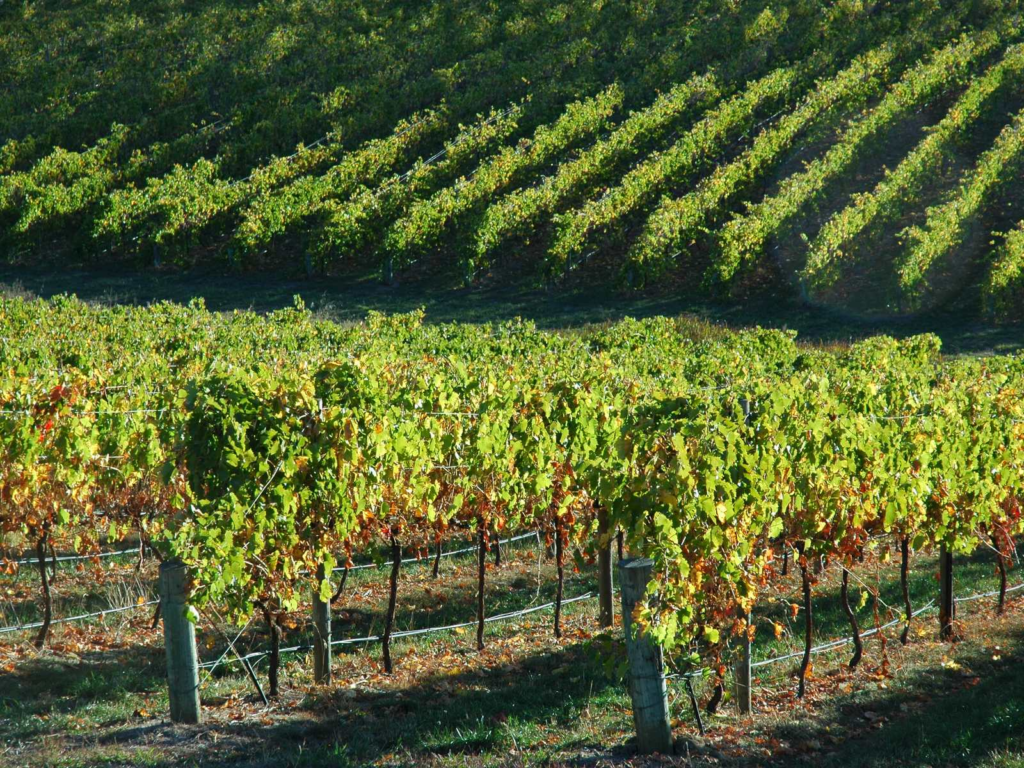
Adelaide Hills SA
Mount Lofty Ranges, SA
40,393 people (2021 Census (LGA))
An established INC church in the Adelaide Hills, seeking a pastor to lead. Just east of Adelaide in the cool, scenic Mount Lofty Ranges, the Hills are a string of historic villages — Hahndorf, Stirling, Lobethal — and one of Australia’s oldest premier wine regions, within easy commute of the city yet distinctly country in feel. Many of its first European settlers came fleeing religious persecution, and today it is a prosperous, growing, family-oriented community of orchards, vineyards and fast-expanding towns like Mount Barker. Faith landscape (2021 Census, LGA): 54.1% no religion; Catholic the largest group at 10.6% — one of the most secular in the network.
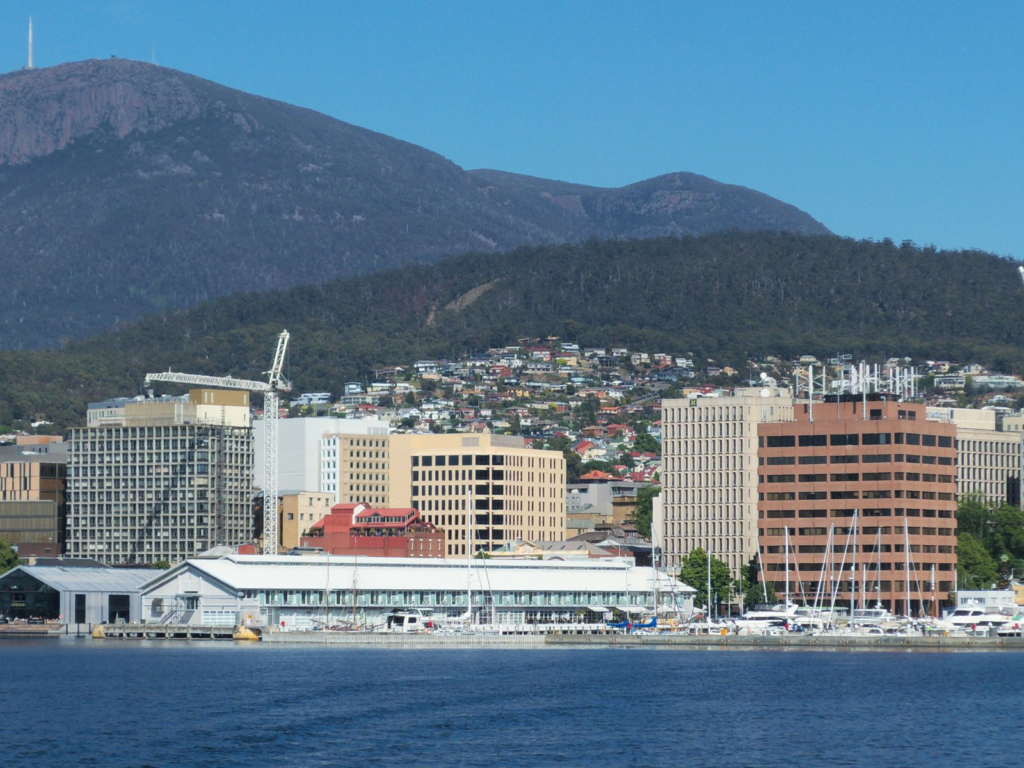
Hobart TAS
Southern Tasmania
240,342 people (2021 Census (Greater Hobart))
An established INC church in Hobart, seeking a pastor to lead. Tasmania’s historic capital — Australia’s second-oldest city — sits between the Derwent estuary and Mount Wellington, a Greater Hobart of around 240,000. Once quiet, it has been reshaped by MONA, a thriving food, wine and festival culture, the University of Tasmania and its role as Australia’s Antarctic gateway, while grappling with rapid growth, housing pressure and a new chapter of civic energy. A beautiful, fast-changing city with a strong sense of place. Faith landscape (2021 Census, Greater Hobart): 50.2% no religion; Anglican and Catholic tied as the largest groups at 14.1% each.
Faith-landscape figures are 2021 ABS Census religious affiliation (how people identify), not a measure of church attendance. Source: ABS Census of Population and Housing, 2021.